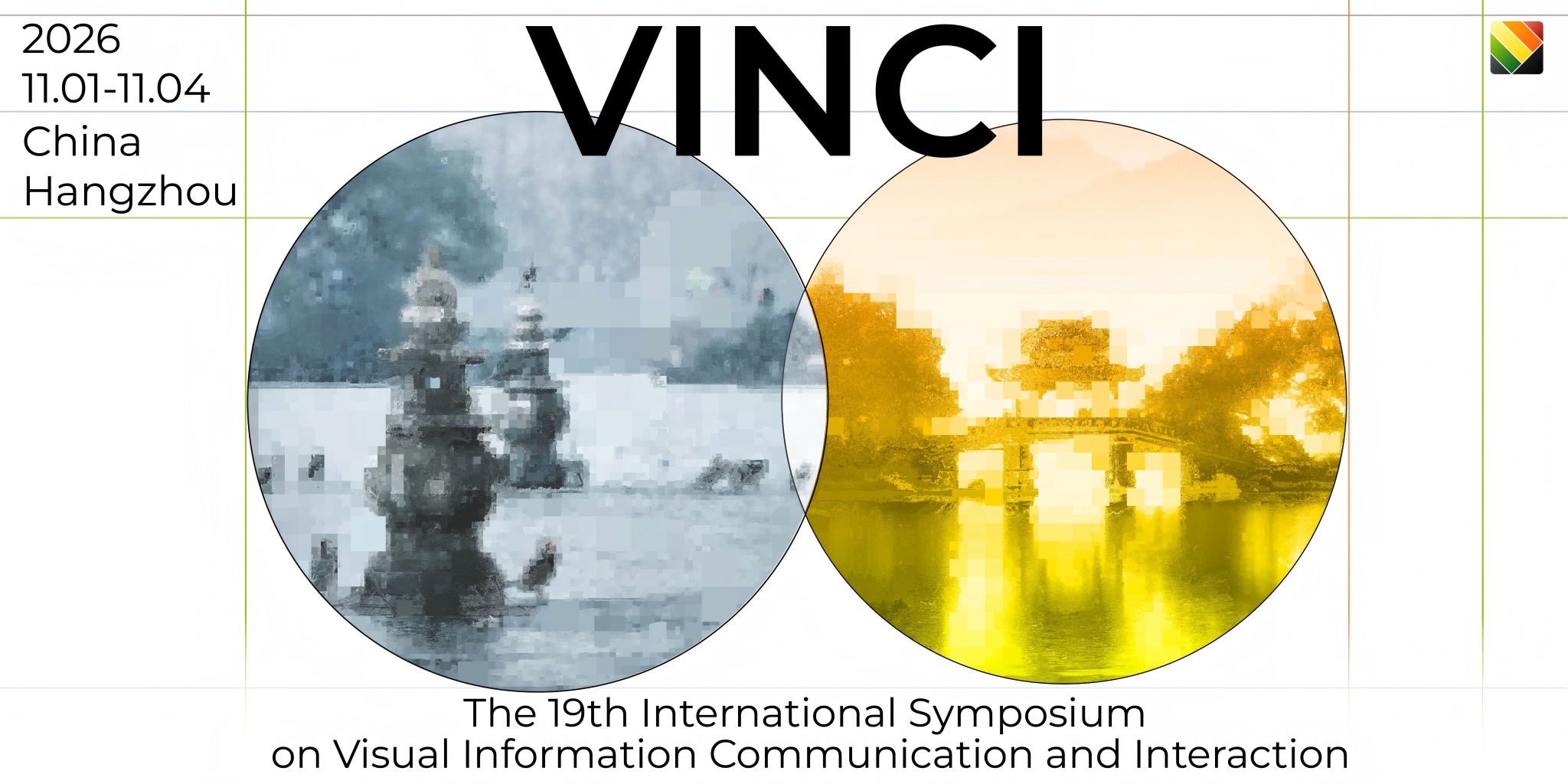
The 19th International Symposium on Visual Information Communication and Interaction (VINCI 2026)
Hangzhou, China, 1-4 November 2026
 Art Tracks Overview
Futures Unbound: Visualizing Tech, Culture, and Connection in an AI-and Robot-Driven World—a timely exploration of how emerging technologies—including AGI agents, collaborative robots, NeRF, AI-driven digital twins, AR/VR spatial computing, and generative AI—are reshaping artistic practice, creative communities, and global creative landscapes. This theme centers on visual communication as a unifying force: leveraging cutting-edge AI and robot technologies to redefine creativity, foster cross-cultural dialogue, and support the preservation and reinterpretation of cultural and heritage assets (tangible sites, artifacts, traditional crafts, oral histories), while navigating the dynamic interplay between human ingenuity and machine intelligence (AI and robots alike). It upholds VINCI’s core niche in visual information communication, interaction design, and information aesthetics, and ties global art-tech innovation to Hangzhou—China’s digital hub, where VINCI 2026 will be hosted.
Below are concise track guidelines for Art Papers, Art Gallery, and Media Gallery submissions.
Art Paper Track
The Art Paper Track focuses on academic research at the intersection of visual information communication, art, and technology. Welcomes rigorous, original research exploring how visual media, interactive systems, and emerging technologies (e.g., generative AI, XR, bio-digital tools) shape information dissemination, aesthetic expression, and critical discourse. Submissions should balance technical innovation, theoretical depth, and practical relevance to VINCI’s core mission.
Example Topics of the Art Paper Track include:
Art Gallery Track
The Art Gallery Track showcases finished, concept-driven artworks exploring visual information communication through artistic expression. Works should embody VINCI 2026’s core theme and draw from 2025–2026 trends (AI symbiosis, bio-digital hybridity, XR counter-narratives). Prioritizes works that merge aesthetic innovation with critical engagement, balancing artistic expression with VINCI’s focus on information communication.
The topics of the Art Gallery Track include:
Media Gallery Track
The Media Gallery Track focuses on interactive tech demos, prototypes, and functional media tools that advance visual information communication. Unlike the Art Gallery (prioritizing finished artworks), this track highlights practical, experimental tools bridging art, technology, and usability. Submissions should demonstrate innovation in enhancing accessible, ethical information sharing.
The topics of the Media Gallery Track include:
Submission Types and Page Limits
Art Papers:
The art papers call is open-theme, and this year, we have three types in the Art Papers: full papers, short papers and posters. The page limits are strict so please ensure that you meet the requirements:
Art and Media Galleries:
Submissions for Media Demos and Artworks should include up to 2 pages of poster/description/artist's statement. Works should have been completed within the last 5 years (in or after 2021) and be ready for installation. While we don't restrict previously exhibited work, accompanying materials should not have been published or accepted for publication elsewhere.
General Submission Information
For deadlines, formatting, CMT submission, ACM Open Access fees, publication information, and general policies, please see General Submission Information.
Previous Proceeding
Past VINCI proceedings are available at: https://dl.acm.org/conference/vinci/proceedings
The following are examples from the Art Gallery & Media Gallery Tracks:
Art and Media Gallery Venue
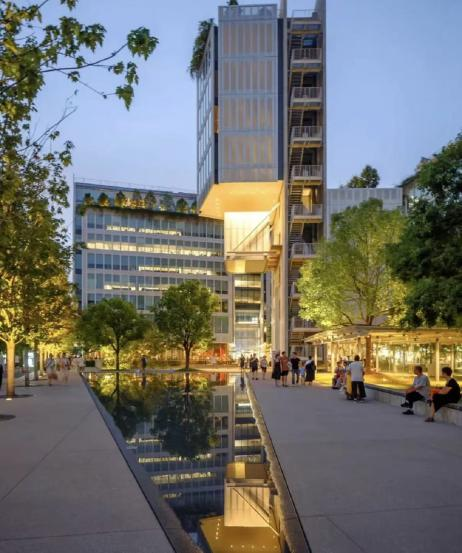
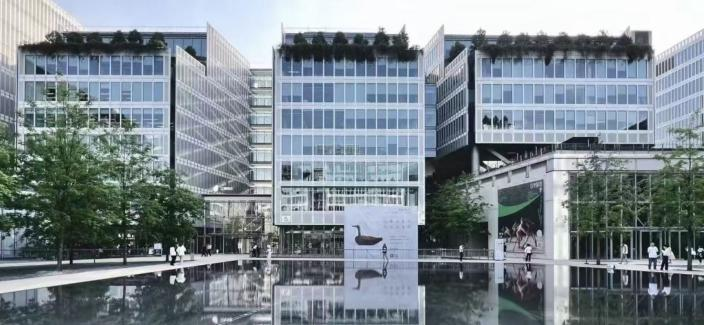
Breaking News: The Art and Media Gallery Track of VINCI’26 will be hosted at Tianmuli, Hangzhou, a culturally and artistically popular landmark. Exhibitors and artists can showcase their artworks for up to two weeks, and the gallery will open to the general public following the conference, greatly boosting artwork exposure and event influence! Further updates will be released later. Stay tuned.
重磅快讯:VINCI’26 艺术与媒体画廊分论坛选址杭州超人气艺术商圈天目里,展期可让作者、艺术家展出作品长达两周,并且在会议结束后面向公众对外开放,曝光度和影响力都将大幅提升!更多信息,敬请期待。